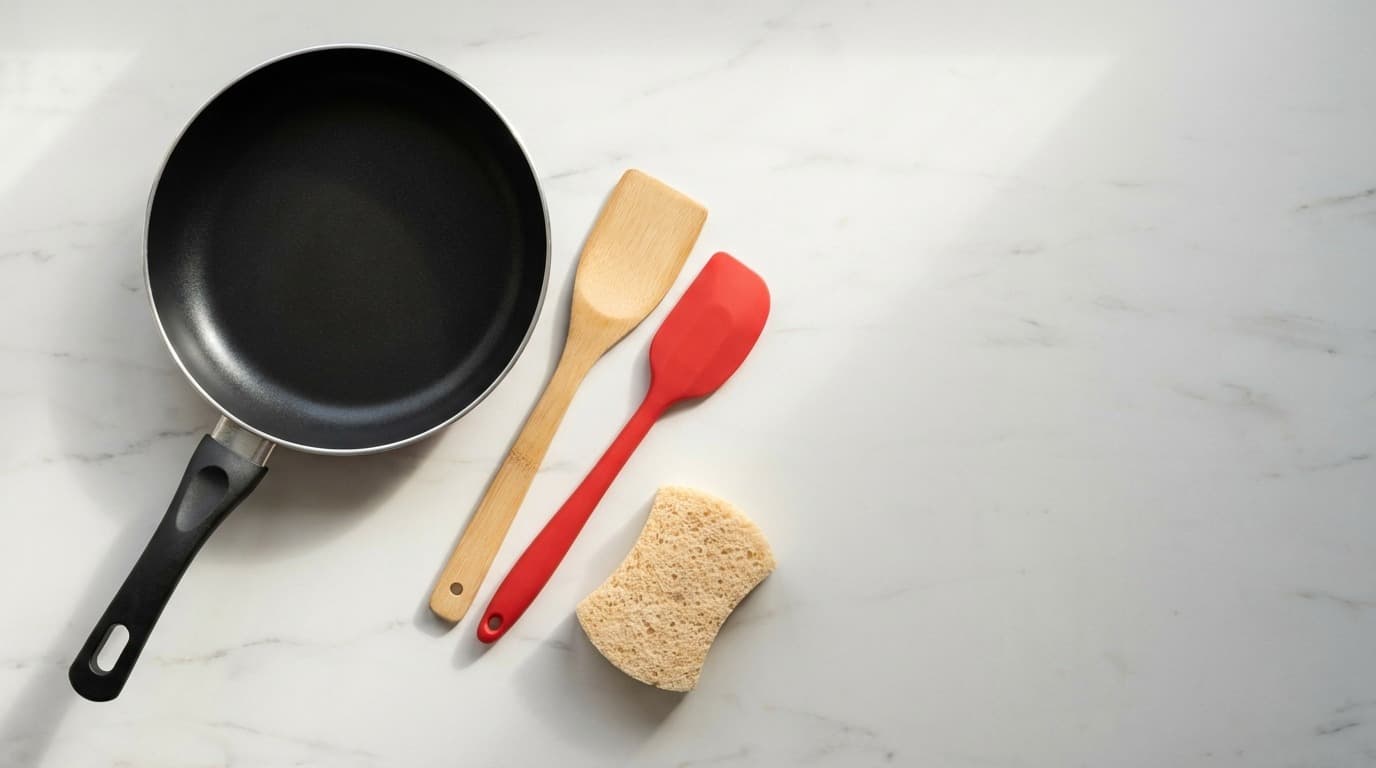
A tapadásmentes edények a modern konyhák elengedhetetlen részévé váltak. A finom tojások elkészítésétől a zsírszegény ételek főzéséig a tapadásmentes serpenyők kényelmet, könnyű ételkioldást és gyors tisztítást kínálnak. Népszerűségük ellenére azonban sokan akaratlanul is olyan hibákat követnek el, amelyek lerövidítik edényeik élettartamát és károsítják a tapadásmentes bevonatot. A megfelelő gondozás és karbantartás elengedhetetlen, ha azt szeretné, hogy tapadásmentes edényei – különösen a megbízható gyártóktól és nagykereskedelmi beszállítóktól, mint a Klonberg – évekig hatékonyan működjenek. Még a kiváló minőségű edények is elveszíthetik hatékonyságukat, ha nem megfelelő főzési, tisztítási és tárolási szokásoknak vannak kitéve.
Ebben az útmutatóban feltárjuk a tapadásmentes edényeket károsító leggyakoribb hibákat, elmagyarázzuk, hogyan kerüljük el őket, és gyakorlati tippeket osztunk meg, amelyek segítenek meghosszabbítani kedvenc lábasai és serpenyői élettartamát.
E kockázatok megértése az első lépés az edénybefektetés védelme felé.
A tapadásmentes edényeket károsító gyakori hibák
Kerülje a fém eszközök használatát
Az egyik leggyakoribb
tapadásmentes serpenyő hiba a fém eszközök használata főzés közben. A fém spatulák, kanalak, villák és fogók megkarcolhatják a bevonatot, apró barázdákat hozva létre, amelyek a folyamatos használat során fokozatosan súlyosbodnak. Miután a felület megsérül, az étel elkezdhet tapadni, és a bevonat elkezdhet leválni.
Mit tegyen helyette:
Használjon eszközöket, amelyek anyaga:
- Szilikon
- Fa
- Nylon
- Hőálló műanyag
Ezek az anyagok kíméletesek a főzőfelülethez, és segítenek megőrizni a bevonatot.
Kerülje a magas hőfokon történő főzést
Sok házi szakács azt feltételezi, hogy a magasabb hőmérséklet jobb főzési eredményekhez vezet. A valóságban a tapadásmentes edényeket alacsony és közepes hőfokon való hatékony működésre tervezték.
A túlzott hő:
- Lebonthatja a tapadásmentes bevonatot
- Elszíneződést okozhat
- Csökkentheti az ételkioldási teljesítményt
- Lerövidítheti az edény élettartamát
A legtöbb recepthez a közepes hő több mint elegendő.
Soha ne melegítsen túl egy üres serpenyőt
Egy üres tapadásmentes serpenyő forró égőre helyezése egy másik gyakori hiba. Étkezés vagy olaj nélkül, amely elnyelné a hőt, a hőmérséklet gyorsan emelkedhet, és percek alatt károsíthatja a bevonatot.
Legjobb gyakorlat:
Adjon hozzá olajat, vajat vagy összetevőket, mielőtt a serpenyőt hosszabb ideig előmelegíti.
Mindig figyelje az edényt előmelegítés közben a túlmelegedés elkerülése érdekében.
Kerülje a dörzsölő súrolóeszközök használatát
A acélgyapjú és a durva súrolószivacsok eltávolíthatják a makacs ételmaradékot, de megkarcolhatják a tapadásmentes felületet is.
Az ismételt súrolás fokozatosan gyengíti a bevonatot és befolyásolja a főzési teljesítményt.
Ehelyett használjon:
- Puha szivacsokat
- Mikroszálas kendőket
- Nem dörzsölő tisztítószivacsokat
Ezek a lehetőségek hatékonyan tisztítanak anélkül, hogy kárt okoznának.
Előzze meg a hősokkot
Sokan a főzés után közvetlenül hideg víz alá helyezik a forró edényt. Ez a hirtelen hőmérséklet-változás, az úgynevezett hősokk, deformálhatja az edényt és idővel gyengítheti a tapadásmentes bevonatot.
A károsodás elkerülése érdekében:
- Hagyja az edényt természetesen lehűlni mosás előtt.
- Miután lehűlt, mossa meg meleg vízzel és kímélő mosogatószerrel.
- Kerülje az agresszív súrolást
Tárolja megfelelően az edényeket
A nem megfelelő tárolás meglepően gyakori oka a tapadásmentes edények károsodásának. A serpenyők közvetlen egymásra helyezése karcolásokat és nyomásnyomokat hozhat létre, amelyek fokozatosan koptatják a bevonatot.
Védje edényeit a következők használatával:
- Serpenyővédők
- Puha textilbetétek
- Külön tárolóállványok
- Az edények felakasztása, ha lehetséges
Korlátozza a főzőspray-k használatát
Bár a főzőspray-k kényelmesnek tűnnek, sokuk ragadós maradékot hagy maga után, amely idővel felhalmozódik. Ez a maradék nehezen eltávolíthatóvá válhat, és befolyásolhatja a serpenyő tapadásmentes teljesítményét.
Ehelyett használjon kis mennyiségű:
- Növényi olajat
- Olívaolajat
- Vajat
Az edényéhez ajánlott egyéb főzőzsírokat
Kerülje az éles tárgyak használatát a felületen
Az étel közvetlenül a tapadásmentes serpenyőben való vágása súlyosan károsíthatja a bevonatot. A kések és éles eszközök karcolásokat okoznak, amelyek károsítják a felületet és csökkentik a teljesítményt.
Mindig helyezze át az ételt egy vágódeszkára szeletelés előtt.
Hogyan használjuk helyesen a tapadásmentes edényeket
A tapadásmentes edények helyes használatának megtanulása jelentősen megnövelheti azok élettartamát.
Főzzön a megfelelő hőmérsékleten
A tapadásmentes edényeket a hő hatékony elosztására tervezték. A mérsékelt hőmérséklet használata segít megvédeni a bevonatot, miközben következetes főzési eredményeket nyújt.
Használjon biztonságos főzőeszközöket
Védje a bevonatot a következők kiválasztásával:
- Fakanalak
- Szilikon spatulák
- Nylon konyhai eszközök
Ezek az anyagok segítenek megelőzni a véletlen karcolásokat.
Használjon megfelelő mennyiségű olajat
Bár a tapadásmentes edények kevesebb olajat igényelnek, mint a hagyományos edények, egy kis mennyiség javíthatja a főzési eredményeket és segíthet fenntartani a felületet. Kerülje az olajok túlmelegítését, ami maradékot hagyhat maga után és nehezen tisztítható foltokat okozhat.
Kövesse a gyártó utasításait
Minden edényterméknek lehetnek speciális ápolási ajánlásai. A gyártó irányelveinek elolvasása és betartása segíthet maximalizálni a teljesítményt és az élettartamot.
Tisztítási és karbantartási tippek
A megfelelő karbantartás a tapadásmentes serpenyőápolás egyik legfontosabb szempontja.
Mossa kíméletesen
Használjon:
- Meleg vizet
- Kímélő mosogatószert
- Puha szivacsokat
Kerülje a durva tisztítószereket, amelyek károsíthatják a bevonatot.
Kerülje a durva vegyszereket
Az erős vegyi tisztítószerek lebonthatják a tapadásmentes felületet és csökkenthetik annak hatékonyságát.
Amikor csak lehetséges, válasszon kímélő tisztítóoldatokat.
Szárítsa meg alaposan
Mosás után tárolás előtt teljesen szárítsa meg az edényt. Ez segít megelőzni a nedvességgel kapcsolatos problémákat és edényeit a legjobb formájában tartja.
Tárolja óvatosan
A megfelelő tárolás csökkenti a szükségtelen kopást és védi a tapadásmentes felületet a karcolásoktól.
Miért válassza a Klonberg tapadásmentes edényeit
A minőségi edények kiválasztása ugyanolyan fontos, mint azok megfelelő karbantartása. A Klonberg vezető edénygyártó és nagykereskedelmi konyhai eszközök beszállítója, amely elismert megbízható, kiváló minőségű konyhai megoldások versenyképes áron történő szállításáról. Az innovációra, tartósságra és funkcionalitásra összpontosítva a Klonberg olyan edényeket kínál, amelyeket mind a házi szakácsok, mind a professzionális konyhák igényeinek kielégítésére terveztek.
A tartósság, a teljesítmény és a kényelem szem előtt tartásával tervezett Klonberg edények segítenek támogatni a hatékony mindennapi főzést, miközben hosszú távú megbízhatóságot nyújtanak.
Kiváló minőségű tapadásmentes technológia: A Klonberg edények kiváló minőségű tapadásmentes felületekkel rendelkeznek, amelyeket a könnyű ételkioldás és a fáradságmentes tisztítás érdekében terveztek.
Tartós konstrukció: A gondosan kiválasztott anyagok elősegítik az egyenletes hőeloszlást és a hosszú távú teljesítményt.
Felhasználóbarát kialakítás: A gyakorlati funkciók és ergonomikus kialakítások alkalmassá teszik a Klonberg edényeket a napi konyhai használatra.
Megbízható főzési teljesítmény: A Klonberg edényeket úgy tervezték, hogy támogassák a biztonságos, hatékony és élvezetes főzési élményt mind a házi, mind a professzionális felhasználók számára.
Alkalmas mindennapi használatra: Akár gyors hétköznapi ételeket készít, akár bonyolultabb recepteket, a Klonberg edényeket úgy tervezték, hogy megfeleljenek a rendszeres konyhai használat követelményeinek.
Hogyan hosszabbítsa meg tapadásmentes edényei élettartamát
Néhány egyszerű szokás jelentősen javíthatja edényei élettartamát.
Alakítson ki jó napi szokásokat
- Használjon alacsony és közepes hőfokot
- Kerülje a fém eszközöket
- Tisztítsa meg az edényeket használat után azonnal
Védje az edényeket tárolás közben
Használjon serpenyővédőket vagy textilbetéteket az edények egymásra helyezésekor.
Rendszeresen ellenőrizze
Ellenőrizze a karcolásokat, a leválást vagy a kopás jeleit. A kisebb problémák korai kezelése segíthet megelőzni a további károsodást.
Kövessen következetes karbantartási gyakorlatot
A rendszeres tisztítás és a megfelelő kezelés elengedhetetlen a hosszú távú teljesítmény fenntartásához.
A megfelelő gondozás és karbantartás jelentősen meghosszabbíthatja tapadásmentes edényei élettartamát. Az olyan gyakori hibák elkerülésével, mint a fém eszközök használata, a túlzott hő és a durva tisztítási módszerek, megőrizheti a bevonatot és fenntarthatja a megbízható főzési teljesítményt. A megbízható márkák, mint a Klonberg, minőségi edényeinek kiválasztása tovább biztosíthatja a tartósságot, a kényelmet és a hosszú távú eredményeket a konyhában.